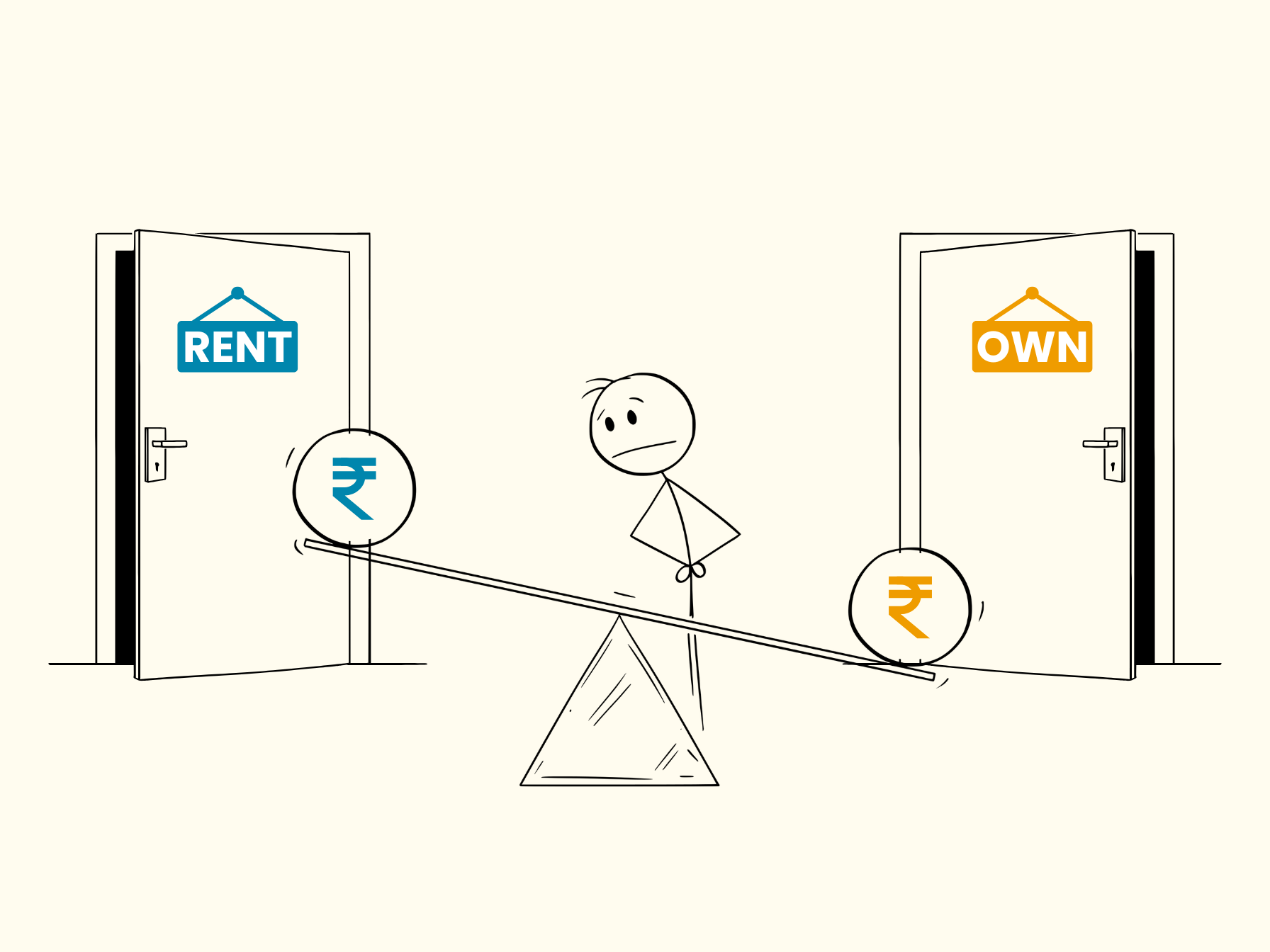
Homeownership vs. Renting: A Comprehensive Cost Comparison
Introduction:
In our previous two blogs, we delved into the hidden costs of both homeownership and renting. Now, it's time to bring these insights together and provide a comprehensive comparison to help you make an informed decision about your housing future.
Long-Term Financial Implications
Understanding the long-term financial impact is crucial when deciding between buying and renting.
- Equity Building
- Homeownership: Build equity over time as you pay down your mortgage
- Renting: No equity buildup, but potential for investing saved funds elsewhere
- Asset Appreciation
- Homeownership: Potential for property value appreciation
- Renting: No direct benefit from property appreciation
Upfront Costs Comparison
The initial expenses for both options can be significant but vary greatly.
- Homeownership
- Down payment (typically 20% of property value)
- Stamp duty and registration fees (4-8% of property value)
- Legal fees and documentation charges
- Renting
- Homeownership: Potential for property value appreciation
- Advance rent (1-3 months)
- Brokerage fees (if applicable)
Monthly Expense Breakdown
Let's compare the recurring monthly costs:
- Homeownership
- Mortgage payment (principal + interest)
- Property tax
- Home insurance
- Maintenance and repairs
- Society charges (if applicable)
- Renting
- Monthly rent
- Renter's insurance (optional but recommended)
- Minor maintenance costs
- charges
Tax Benefits
Tax advantages can significantly impact the overall cost of housing.
- Homeownership
- Tax deductions on home loan interest (up to ₹2 lakhs annually)
- Tax benefits on principal repayment under Section 80C
- Renting
- charges
- House Rent Allowance (HRA) tax benefits for salaried individuals
Flexibility and Mobility
Consider the non-financial aspects that can have indirect financial implications.
- Homeownership
- Less flexibility for relocation
- Potential costs if you need to sell quickly
- Renting
- Greater flexibility to move
- Easier to upsize or downsize as needs change
- charges
Opportunity Cost Analysis
It's essential to consider what you could do with the money saved by renting instead of buying.
- Investment Potential
- Renting might free up capital for potentially higher-yielding investments
- Homeownership ties up a significant portion of your wealth in a single asset
To help you make a personalized comparison, we've developed an interactive tool that takes into account your specific financial situation and housing needs.
Breakeven Point Calculation
Understanding when the costs of buying versus renting break even is crucial for long-term planning.
- Factors Affecting Breakeven
- Property appreciation rate
- Rental inflation rate
- Interest rates
- Your specific financial situation
In many Indian cities, the breakeven point often occurs between 5-7 years, but this can vary significantly based on local market conditions and individual circumstances.
Conclusion: Making the Right Choice for You
The decision between renting and buying is highly personal and depends on various factors including your financial situation, long-term goals, and lifestyle preferences. While homeownership can build wealth over time, renting offers flexibility and potentially lower short-term costs.
Remember, there's no one-size-fits-all answer. The key is to carefully consider all aspects – both financial and non-financial – to make the choice that best aligns with your unique circumstances and goals.